Understanding Window Tint Near Me
What is Window Tinting?
Window tinting involves applying a thin film to the interior or exterior of automobile windows to reduce glare, improve aesthetics, and enhance privacy. This film can also offer protection against harmful UV rays. The tinting process can either be done at home with DIY kits or professionally, leading to varied results in appearance and effectiveness. It’s essential to choose the right film and technique, as these factors significantly influence these outcomes.
Benefits of Tinting Your Windows
Tinting your car windows delivers a multitude of advantages:
- UV Protection: Tinted windows block up to 99% of harmful UV rays, protecting your skin and interior from fading.
- Heat Rejection: Quality window films can limit heat inside your car, making it more comfortable in hot weather and reducing the need for air conditioning.
- Increased Privacy: Tints can offer varying levels of privacy, making it difficult for outsiders to see into your car.
- Glare Reduction: Tinted windows reduce glare from the sun, headlights, and streetlights, improving driving visibility and comfort.
- Aesthetic Appeal: Tinting enhances the overall look of your vehicle, potentially increasing its market value.
Types of Window Tint Films
Several types of window tint films are available in the market, each with unique benefits:
- Dyed Window Films: These are affordable options that block heat and provide privacy but may fade over time.
- Metalized Window Films: These contain metallic particles that reflect UV rays and provide added strength but may interfere with electronic signals.
- Ceramic Window Films: Known for superior heat rejection and UV protection, ceramic films do not block signals, albeit at a higher cost.
- Carbon Window Films: This type offers excellent UV rejection and is less likely to fade, combining quality and cost-effectiveness.
Choosing the Right Window Tint Near Me
Factors to Consider When Selecting Tint
When searching for window tint near me, consider the following factors:
- Film Type: Each type of film has its strengths. Choose one that aligns with your needs, whether for heat rejection or privacy.
- Visible Light Transmission (VLT): Different tints have different VLT percentages which dictate how much light can pass through. Higher VLT means lighter films, while lower VLT provides more privacy.
- Durability: Some tints last longer than others. Research the lifespan and maintenance of each type.
- Warranty: Look for products that come with a warranty, as this can indicate manufacturer confidence in their tint’s performance.
Legal Regulations in Your Area
Window tinting regulations vary by state and locality, often concerning tint darkness and reflectivity. Before getting your windows tinted, check local laws to ensure compliance. Not adhering to these regulations may result in fines or the requirement to remove the tint, negating the investment.
Quality vs. Cost Analysis
Balancing quality with cost is crucial when selecting window tint. While it’s tempting to choose the cheapest option available, low-quality films may peel or fade more quickly, leading to additional costs in replacements or repairs. Aim for a solution that fits your budget while ensuring you receive durable, effective window film.
Window Tint Installation Process
How to Prepare Your Vehicle
Preparation is key to achieving optimal results when installing window tint. Start by cleaning the windows thoroughly to remove dirt, dust, and grease. Ensure that the edges and corners are free from any residue, as imperfections can affect adhesion. If you are having a professional do the installation, ensure they have a clean, dry workspace and are equipped with the necessary tools.
Step-by-Step Installation Guide
- Measure Windows: Use precise measurements for your vehicle’s windows to cut the tint film accurately.
- Cutting the Film: Lay the film on a flat surface and cut it with a sharp blade, ensuring it’s slightly larger than the window dimensions.
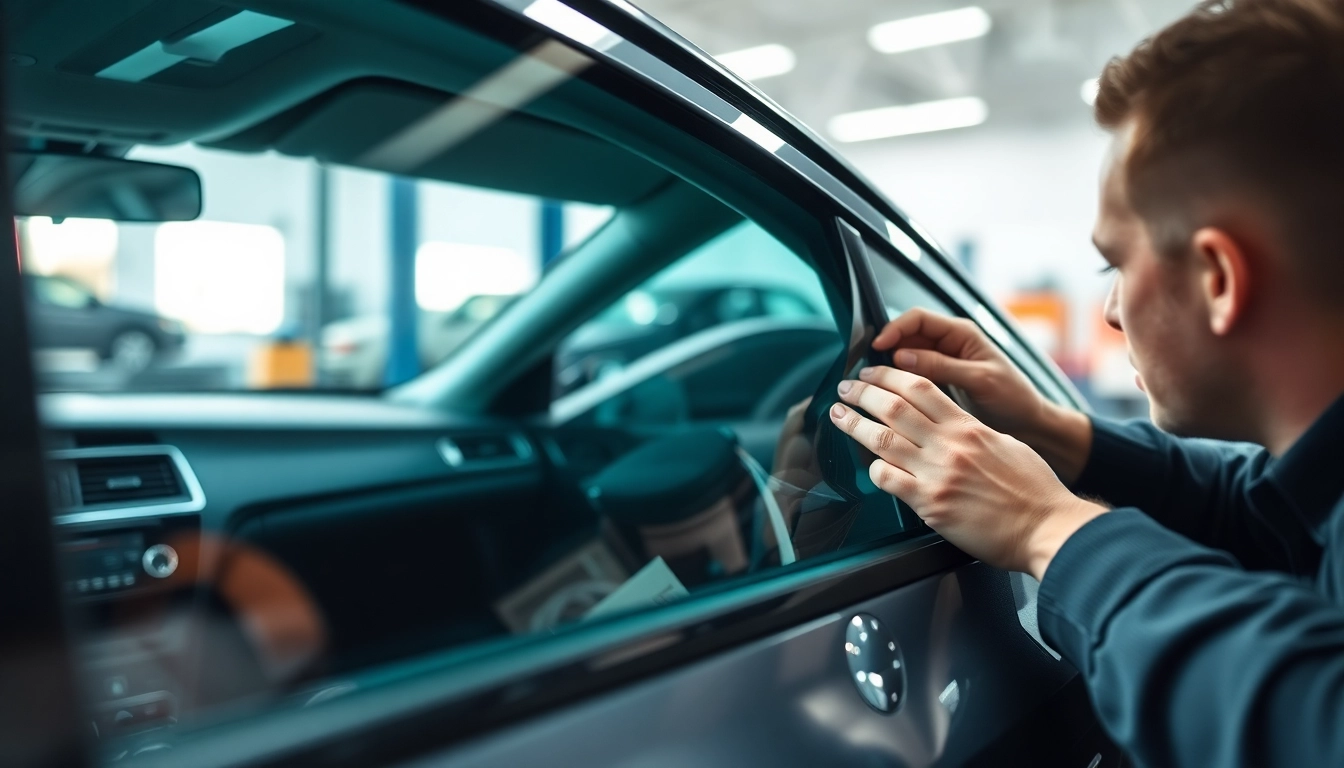
- Applying the Film: Wet the window with soapy water and carefully place the film on the glass, allowing some overlap at the edges.
- Trimming Excess Film: With a utility knife, trim the film to fit the window exactly.
- Smoothing Out Bubbles: Use a squeegee to smooth out air bubbles, starting from the center and working outward.
- Drying Time: Allow the film to adhere and dry as per the manufacturer’s instructions to ensure a secure fit.
Common Mistakes to Avoid
While installing window tint, avoid these common pitfalls:
- Rushing the Process: Take your time to ensure precision; hasty installations can lead to bubbles and imperfections.
- Ignoring Temperature: Ideal application should occur in a controlled environment—extreme temperatures can affect film adhesion.
- Using Poor-Quality Tools: Invest in good quality tools to ensure the installation goes smoothly and professionally.
Maintenance and Care for Window Tint
How to Clean Tinted Windows
To maintain your tinted windows, clean them with a gentle cleaning solution and a soft cloth to avoid scratches. Avoid ammonia-based products as they can degrade the film over time. Regular cleaning not only enhances visibility but also extends the life of the tint.
Signs Your Tint Needs Replacement
Pay attention to signs indicating your window tint might need replacement, such as:
- Fading: If the tint has significantly lost its color or darkened unevenly, it may be time for a new application.
- Peeling: Edges starting to peel away from the window are another clear indicator of wear.
- Bubbles: If air bubbles form between the film and glass, it often means the film is no longer adhering properly.
Longevity of Different Tint Types
The lifespan of window tints varies by type. Dyed films might last around 5 years, while higher-end ceramic tints can endure for 15 years or more. Proper maintenance is crucial to maximizing their lifespan, so ensure routine care and cleaning are part of your vehicle maintenance routine.
Frequently Asked Questions about Window Tint Near Me
How long does window tint last?
Typically, high-quality window tint can last from 5 to 15 years, depending on the type and conditions.
Can I apply window tint myself?
While DIY kits are available, professional installation is recommended for optimal results and warranty protection.
What are the best window tints?
Top-quality options include ceramic, carbon, and metallic films, each offering varying levels of heat rejection and UV protection.
Is window tinting legal everywhere?
No, laws vary by state and locality regarding darkness and reflectivity, so check local regulations before applying tint.
Can tinted windows reduce glare?
Yes, window tint effectively reduces glare from sunlight, enhancing visibility and comfort while driving.