

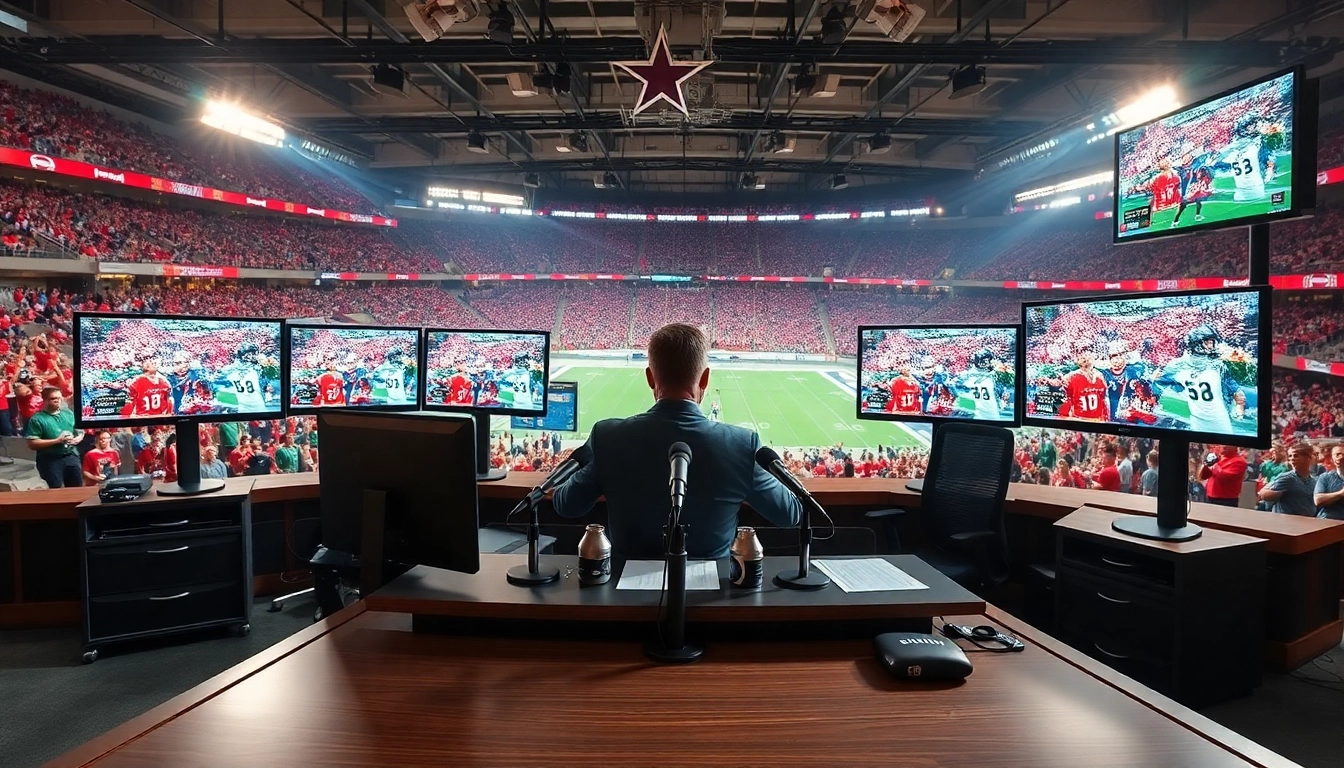
The Evolution of Sports Broadcasting
The landscape of Sports Broadcasting has undergone a remarkable transformation over the decades, transitioning from simple radio announcements to high-definition televised events, and now to the digital streaming platforms that define today’s viewing experience. Understanding this evolution requires a look into the historical context, technological milestones, and cultural shifts that have shaped how audiences engage with sports.
Historical Background of Sports Broadcasting
Sports broadcasting began informally as far back as the late 19th century, with newspapers featuring sports results and informal play-by-play accounts. However, it wasn’t until the advent of radio in the 1920s that sports events began to be disseminated in real-time. The first major sporting event broadcasted was a live baseball game between the Princeton and the University of Pennsylvania in 1921. This marked the start of a new wave in communication, creating an immediate connection between fans and their favorite teams.
The progression into television in the 1950s revolutionized the industry, providing visuals to complement the audio of radio broadcasts. The first televised sporting event was a game of college basketball in 1939, but it was the series of boxing matches and the famed 1954 Army-Navy football game that propelled the popularity of televised sports. By the 1980s, cable networks extended the reach of sports further, leading to dedicated sports channels that provided round-the-clock content.
Key Milestones in Broadcasting Technology
The evolution of broadcasting technology is a story of continuous innovation. The introduction of color television and the subsequent move to cable were crucial milestones. However, the most significant advancements came in the 21st century with the rise of digital technology, especially HD and 4K broadcasting, which have drastically improved visual quality.
Moreover, the development of the internet altered the broadcasting landscape dramatically. Live streaming capabilities and the ability to watch games on mobile devices or via on-demand services have made sports more accessible than ever. Social media platforms have also emerged as new venues for sports broadcasting, offering live updates, highlights, and fan engagement opportunities unmatched in traditional media.
The Impact of Digital Media on Sports Broadcasting
Digital media has fundamentally changed how sports are consumed. Fans are no longer dependent on linear television schedules, as streaming services provide flexibility and portability. The rise of platforms like YouTube, Twitch, and various sports networks has created a plethora of content tailored to diverse audiences. Social media facilitates instant communication and interaction, where fans can engage in real-time discussions while watching their favorite sports.
This transformation has also prompted sports organizations to rethink their marketing strategies and content delivery models, utilizing analytics to better understand audience engagement metrics and modify their offerings accordingly.
Understanding Audiences in Sports Broadcasting
Understanding audiences is vital for broadcasters aiming to maximize viewer engagement and loyalty. This involves not just demographics but also behavior analysis and preference identification, leading to more tailored content delivery.
Identifying Target Demographics
Different sports attract varying demographics, and recognizing the unique characteristics of these audiences is crucial for effective broadcasting. For example, youth leagues may attract younger audiences, while traditional sports like golf may appeal to older demographics. Gender, location, and socioeconomic status also play significant roles in shaping viewer profiles.
Data-driven strategies can enhance insights into viewer preferences, allowing broadcasters to optimize content, advertisements, and engagement strategies tailored to each demographic segment.
Engagement Metrics and Viewer Preferences
Measurement of engagement in sports broadcasting encompasses various metrics, including viewership ratings, social media interaction, and audience retention. Analytics tools can capture viewer behavior patterns, helping broadcasters understand what content resonates most. For instance, in-game statistics, athlete interviews, and behind-the-scenes content tend to enhance viewer engagement.
It’s crucial for broadcasters to use this data proactively, creating a feedback loop that drives continuous improvements and helps maintain viewer loyalty.
Tailoring Content for Different Audiences
Ultimately, content must be engaging and relevant to specific audience segments. Creating tailored experiences involves curating highlights, interviews, and expert insights reflective of the interests of diverse groups. This could include localized content for specific communities, special insights into athletes from the region, or multilingual broadcasts catering to diverse linguistic groups.
Broadcasters can leverage viewer analytics to inform content production, ensuring it remains dynamic and engaging.
Technological Innovations Shaping Sports Broadcasting
Technological innovations have continually reshaped the future of sports broadcasting, introducing new capabilities and enhancing viewer experiences.
Advanced Broadcasting Equipment
Today’s sports broadcasts rely on advanced equipment, including drones for aerial shots, robotic cameras, and high-definition graphics. Multi-camera setups provide different angles of play, enriching viewers’ experience by making them feel part of the action. The integration of advanced sound technology enhances audio clarity, contributing to the overall quality that audiences have come to expect.
Investments in state-of-the-art equipment not only improve production quality but also allow for instantaneous replays and analytics, elevating the viewing experience.
The Role of Augmented and Virtual Reality
Augmented reality (AR) and virtual reality (VR) promise to revolutionize sports broadcasting in unprecedented ways. VR can transport viewers into the middle of an event, offering immersive experiences that traditional broadcasts cannot replicate. Similarly, AR technologies can overlay real-time statistics and player information onto live broadcasts, enhancing viewers’ understanding of the game.
These innovations not only engage viewers but also open new opportunities for advertisers and sponsors to align with unique interactive experiences.
Emerging Technologies: 5G and Beyond
The advent of 5G technology is set to change broadcasting by allowing faster data transfer rates, enhancing live streaming quality, and reducing latency. This means viewers can enjoy high-definition broadcasts with minimal buffering, a significant improvement from previous generations of mobile technology.
Looking beyond 5G, innovations such as artificial intelligence, machine learning, and real-time analytics are poised to transform the production process and enhance viewer personalization, ultimately leading to a more engaging experience.
Best Practices in Sports Broadcasting
Implementing best practices in sports broadcasting is critical for achieving success and maintaining viewer engagement. These practices involve narrative creation, production quality, and interactive strategies.
Creating Compelling Narratives
Storytelling remains a central element of sports broadcasting. Broadcasters should craft compelling narratives that connect players, teams, and events to emotional stories, creating resonance with viewers. Highlighting player journeys, rivalries, and game implications adds depth beyond mere statistics.
Successful sports broadcasts weave in human interest stories that captivate viewers, fostering a deeper connection to the sport.
Ensuring High-Quality Production Value
High-quality production has become a non-negotiable aspect of sports broadcasting. Clear visuals, balanced audio, and professional editing are essential to retaining viewer attention. Engaging visuals, such as slow-motion replays and on-screen graphics, enrich the viewing experience and keep fans excited.
Regularly evaluating and upgrading production equipment is crucial to maintaining quality, due to the fast-paced technological advancements within the industry.
Interactivity and Viewer Engagement Strategies
To enhance audience engagement, broadcasters should prioritize interactivity. This can include live polling, viewer call-ins, and social media interactions, making audiences feel part of the ecosystem. Embracing platforms where fans can share content—such as TikTok or Instagram—further amplifies engagement efforts.
Creating a two-way interaction between broadcasters and fans not only boosts loyalty but also cultivates a vibrant community around the broadcast.
Future Trends in Sports Broadcasting
The future of sports broadcasting appears dynamic, with trends leaning towards increased interactivity, personalization, and sustainability.
The Growing Influence of Social Media
Social media is becoming an increasingly critical platform for sports broadcasting. With billions of users actively engaging, broadcasters must integrate these channels into their content strategies. Live streaming on platforms like Twitter or Facebook extends the reach, providing new opportunities for real-time interaction.
Moreover, social media analytics offer insights that can shape content production, focusing on what resonates most with audiences.
Personalization of Broadcasting Content
The personalization of content is no longer a novelty; it’s a necessity. Leveraging AI and data analytics allows broadcasters to customize viewer experiences based on preferences and past behaviors. Whether it’s tailored highlights or personalized notifications, satisfying specific audience desires is key to staying relevant in a competitive market.
This level of personalization fosters deeper connections between fans and broadcasters, ultimately leading to increased loyalty and engagement.
Environmental Sustainability in Sports Broadcasts
As the conversation around climate change grows, so does the importance of sustainability in sports broadcasting. Companies are exploring eco-friendly practices, such as reducing carbon footprints during live events and utilizing greener production methods. Implementing carbon offsetting strategies helps organizations align their operations with viewers’ increasing demand for responsible practices.
Sports broadcasting has the potential to lead by example, championing sustainability efforts that resonate with socially-conscious audiences.
FAQs
What is sports broadcasting?
Sports broadcasting refers to the dissemination of sports events and related content through various media, including television, radio, and digital platforms.
How has technology impacted sports broadcasting?
Technology has enhanced visual and audio quality, facilitated live streaming, and provided interactive content, making sports more accessible and engaging for audiences.
What are some key metrics used to measure sports broadcast success?
Common metrics include viewership ratings, audience retention rates, social media engagement, and viewer demographics, providing insights into fan preferences.
What is the role of social media in sports broadcasting?
Social media allows for real-time interaction, fan engagement, and content sharing, extending the reach of sports broadcasts beyond traditional channels.
How can broadcasters personalize content for audiences?
Broadcasters can use data analytics to tailor content, provide customized notifications, and create personalized viewing experiences based on viewer preferences.