The Benefits of Creating a Personal Garden
Gardening is more than just a hobby; it's a multifaceted pursuit that offers numerous benefits for individuals and communities alike. From emotional well-being to environmental sustainability, the advantages of cultivating your own garden are vast. Whether you're growing vegetables, flowers, or herbs, the act of gardening can transform your life in meaningful ways. When exploring options, Garden provides comprehensive insights into the many dimensions of gardening that can enrich your experience.
Emotional and Psychological Benefits of Gardening
Gardening is often viewed as a therapeutic activity, helping individuals cultivate a sense of peace and mindfulness. Studies have shown that spending time in nature can significantly reduce stress and anxiety levels. Engaging in gardening activities can also promote feelings of accomplishment and boost self-esteem, particularly when you see the fruits of your labor blossoming before your eyes. Furthermore, caring for plants fosters a sense of responsibility and connection to the natural world, which can enhance overall mental well-being.
Environmental Advantages of Home Gardens
Creating a personal garden not only benefits the gardener but also promotes environmental sustainability. Gardens can act as ecosystems that support local wildlife, including beneficial insects and pollinators. They help improve air quality by absorbing carbon dioxide and releasing oxygen. Additionally, gardens contribute to biodiversity, offering habitats for various species. By choosing native plants, gardeners can further strengthen local ecosystems while reducing the need for chemical fertilizers and pesticides.
Cost-Effectiveness Compared to Store-Bought Plants
One of the most appealing aspects of gardening is its cost-effectiveness. Growing your own plants can lead to significant savings compared to purchasing store-bought options. Seeds and seedlings are often much cheaper than fully grown plants, and with careful planning, you can maximize yield while minimizing costs. Home gardens can provide a sustainable source of fresh produce, which is not only economical but also healthier, as you have control over what goes into your food.
Essential Tools and Equipment for Gardening
The right tools can make a significant difference in your gardening experience, enhancing efficiency and effectiveness. Whether you are a beginner or an experienced gardener, understanding the essential tools can help you cultivate your garden with ease. Selecting from a variety of gardening equipment tailored to your specific needs can make your gardening journey enjoyable and productive.
Basic Gardening Tools Every Gardener Needs
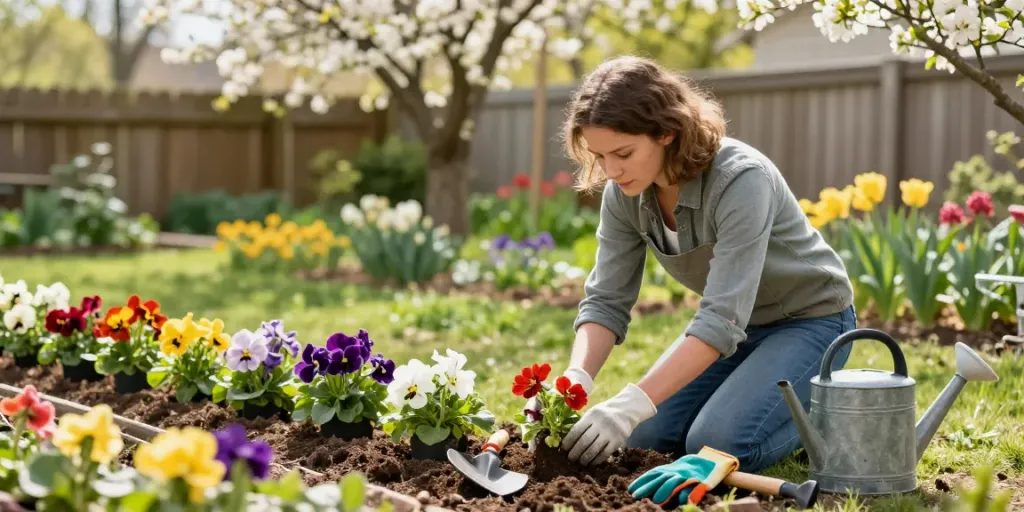
Every gardener should start with a basic toolkit that includes essential tools. The most common tools include:
- Trowel: Ideal for planting, digging, and transferring small amounts of soil.
- Pruning Shears: Necessary for trimming and shaping plants and ensuring healthy growth.
- Garden Fork: Perfect for turning soil and breaking up clumps.
- Watering Can: Essential for efficient watering, especially in smaller gardens.
- Gloves: Protect your hands from blisters, thorns, and dirt.
Advanced Tools for Enthusiasts and Professionals
For those who are more serious about their gardening, investing in advanced tools can enhance the gardening experience. Options include:
- Rototiller: An electric or gas-powered tool that makes breaking up and aerating soil much easier.
- Garden Hoe: Useful for weeding and cultivating soil.
- Soil Moisture Meter: Helps determine when your plants need watering by measuring soil moisture levels.
- Garden Cart: Facilitates easy transportation of materials around your garden.
Innovative Equipment for Efficient Gardening
In the age of technology, innovative gardening equipment is increasingly becoming available. Here are a few noteworthy advancements:
- Smart Irrigation Systems: These systems optimize water use based on weather conditions and soil moisture needs.
- Vertical Planters: Ideal for limited space, these allow you to grow more plants in smaller areas.
- Greenhouses: A great investment for those looking to extend their growing seasons and protect plants from harsh weather.
Understanding Soil and Plant Compatibility
A successful garden starts with understanding soil and plant compatibility. The type of soil you use and the plants you choose can significantly impact the health of your garden. This section will guide you through selecting the appropriate soil and plants that align with your gardening goals.
Types of Soil and Their Impact on Garden Success
Soil types play a crucial role in plant growth. Common soil types include:
- Clay Soil: Retains moisture but can be heavy and compact, making drainage a challenge.
- Sandy Soil: Drains quickly, which is beneficial for certain plants but may require more frequent watering.
- Loamy Soil: A balanced mixture of sand, silt, and clay, which is ideal for most plants due to its good drainage and moisture retention.
- Silty Soil: Typically rich in nutrients, but can become compacted and may require organic matter to improve texture.
Choosing the Right Plants for Your Garden Environment
Understanding your local climate and conditions is vital for selecting the right plants. Factors to consider include:
- Climate Zone: Research plants that thrive in your specific climate zone.
- Sunlight: Assess the amount of sunlight each area of your garden receives throughout the day.
- Soil Type: Match plants to the types of soil you have available.
Common Soil Mistakes and How to Avoid Them
Many novice gardeners make common mistakes with soil that can hinder plant growth. To avoid these pitfalls:
- Avoid compacting soil by walking on garden beds.
- Test soil pH and amend it as necessary to fit the needs of your plants.
- Don't forget to add organic matter, such as compost, to enrich the soil over time.
Gardening Techniques for Sustainable Growth
Adopting sustainable gardening practices not only enhances productivity but also benefits the environment. The following techniques provide guidance on achieving sustainable growth in your garden.
Organic Gardening Practices for Healthy Plants
Organic gardening is about working with nature and avoiding synthetic chemicals. Key practices include:
- Using organic fertilizers such as compost or well-rotted manure.
- Implementing crop rotation to maintain soil health and prevent pests.
- Encouraging beneficial insects, such as ladybugs and bees, by planting a diverse range of plants.
Water Conservation Techniques for Your Garden
Water is a precious resource, and conserving it in your garden is essential. Techniques to consider include:
- Using drip irrigation to deliver water directly to the roots.
- Mulching garden beds to retain moisture and prevent weed growth.
- Collecting rainwater in barrels for irrigation purposes.
Seasonal Gardening Tips to Maximize Bounty
To ensure your garden remains productive throughout the year, consider the following seasonal tips:
- In spring, start seedlings indoors to get a jump on the growing season.
- During summer, ensure regular watering and monitor for pests.
- In fall, clear debris and consider planting cover crops to protect soil through winter.
Future Trends in Gardening: What Will 2026 Bring?
As we look to the future, several trends are emerging in the gardening landscape. Understanding these trends can prepare gardeners for what lies ahead.
Technological Innovations in Gardening
The gardening industry is seeing a surge in technology, making gardening more accessible and efficient. Innovations include:
- Agricultural Drones: Used for monitoring crop health and delivering nutrients.
- Mobile Apps: Apps that can help manage watering schedules, identify pests, and provide growing tips.
- Hydroponics: A method of growing plants without soil that maximizes space and resources.
Emerging Plant Varieties and Sustainability Trends
In 2026, we will likely see an increase in the popularity of sustainable and native plant varieties. Benefits include:
- Reduced need for irrigation and fertilizers.
- Higher resilience to local pests and diseases.
- Promotion of biodiversity in local ecosystems.
Community Gardening Movement and Its Impact
The community gardening movement is growing stronger, focusing on fostering connections among neighbors and creating green spaces. Benefits include:
- Increased access to fresh produce.
- Strengthening community ties and promoting social responsibility.
- Encouraging environmental stewardship through shared resources and knowledge.
What is the 70/30 rule in gardening?
The 70/30 rule in gardening refers to the concept of allocating 70% of your gardening efforts to preparation and planning, such as soil amendments and site analysis, while the remaining 30% focuses on planting and maintenance. This approach helps to ensure a successful garden.
What do coffee grounds do for plants?
Coffee grounds act as a natural fertilizer, providing nutrients like nitrogen, which is essential for plant growth. They can also improve soil structure, promote microbial activity, and deter certain pests, making them an excellent addition to your compost or garden beds.
What is the cheapest way to landscape a garden?
The most economical way to landscape a garden involves incorporating native plants, using recycled materials for borders, and creating a design that minimizes the need for water and constant maintenance. Additionally, starting with seeds or cuttings instead of mature plants can significantly reduce costs.
What is the best time to plant a garden?
The best time to plant a garden varies based on your climate and the types of plants you wish to grow. Generally, spring is ideal for most crops, while late summer to early fall is optimal for cool-season vegetables. Always consult local planting dates for specific guidance.
How can I start a garden on a budget?
Starting a garden on a budget can be easily achieved by utilizing seeds instead of seedlings, recycling materials for planting containers, and composting kitchen scraps for nutrient-rich soil. Additionally, consider joining local gardening groups or community gardens to share resources and knowledge.